
FOOD INSECURITY & SENIOR HUNGER/MALNUTRITION
Food insecurity happens when an individual or household cannot access food due to a lack of money or other resources. Food insecurity and hunger affects millions of Californians, and in Sacramento, our numbers are higher than state and national averages.
Food insecurity has severe consequences and unfortunately impacts seniors particularly hard; older adults often face unique challenges that make getting the food they need harder. Food insecurity doesn’t end at hunger—it affects physical health, emotional well-being, and social relationships. For seniors, this can trigger or worsen social isolation. The uncertainty of not having enough food leads to increased stress, anxiety, and depression.
Local Statistics
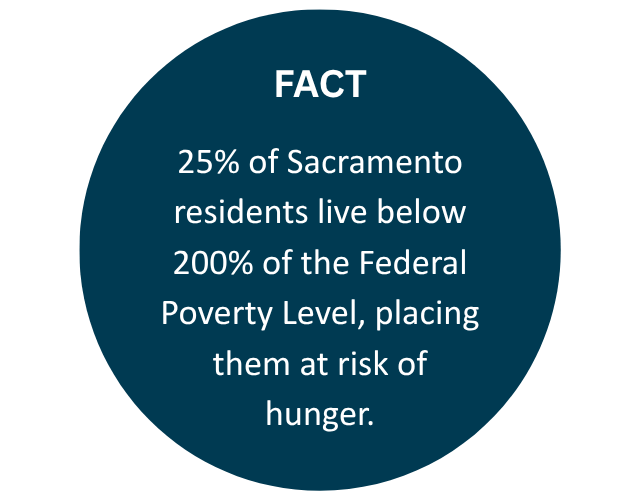
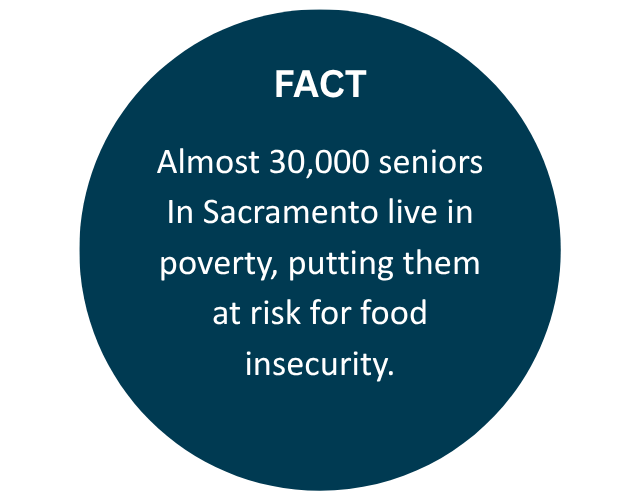
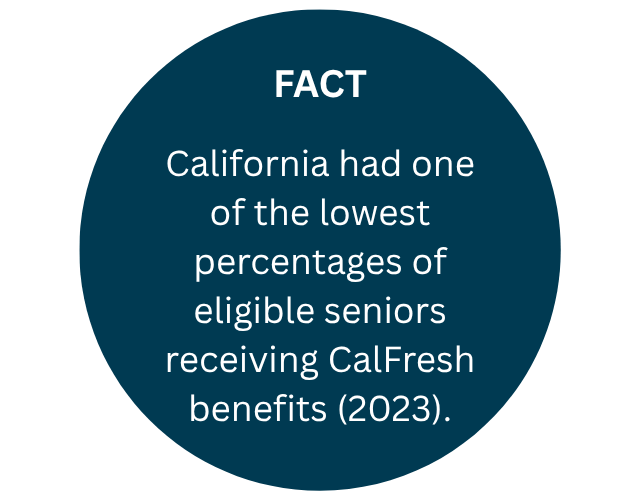
The broad food insecurity picture shows
- Seniors are a notable and vulnerable subset of the overall food-insecure population
- Malnutrition among seniors is an acute and growing concern locally and nationally
- The number of seniors that rely on home delivered meals, congregate meal programs, and food banks, is outpacing the availability of services
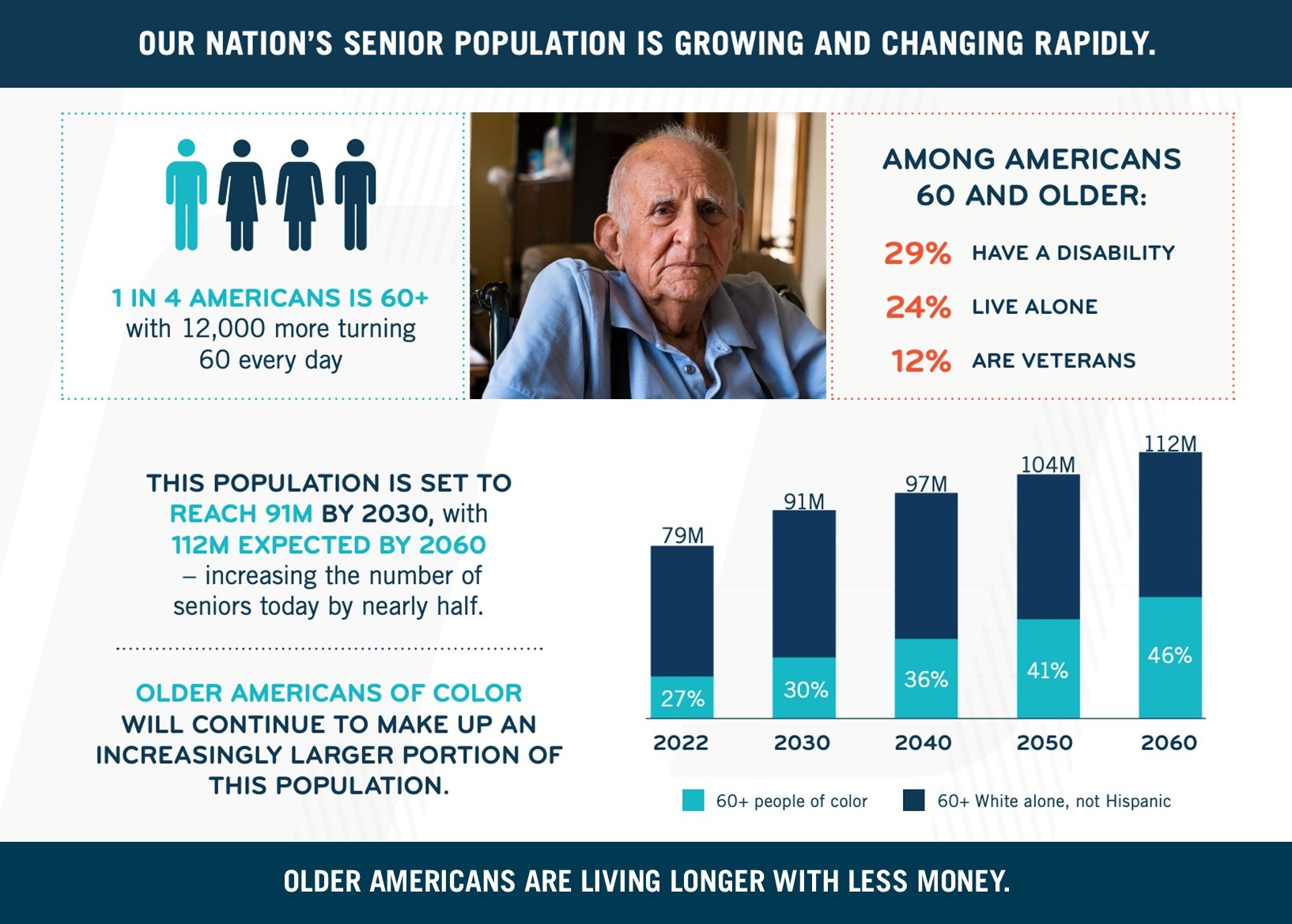
Hunger and malnutrition among seniors in America are a growing crisis.
UNDERSTANDING THE CAUSES OF SENIOR HUNGER
Hunger is not just about the absence of food – it’s often about the inability to access food. There are numerous reasons why seniors are facing hunger:
Health Challenges
A vicious cycle, seniors frequently have chronic health conditions that prevent them from grocery shopping, cooking food, or accessing food and/or congregate meals which creates malnutrition. In turn, hunger and malnutrition significantly affects the health of seniors, exacerbating existing conditions, and/or leading to higher risk of conditions such as diabetes, high blood pressure, hypertension, heart problems, asthma, and more.
Lack of Transportation
A common and significant problem for seniors, lack of transportation impacts their ability to access essential services including food, whether from the grocery store, congregate food program, food bank, restaurants, and more. This has a profoundly negative impact on physical and mental health, as lack of nutrition and isolation is a growing crisis for seniors.
Fixed/Limited Income
Seniors often live on fixed or limited income, making the cost of food unaffordable. Seniors frequently have to choose between paying rent, utilities, medication, etc., or buying food.
Isolation
Isolation is two-prong for seniors facing hunger. (1) Many seniors live alone without family or other caregivers that can assist them with grocery shopping and cooking, thus they are impacted by hunger and malnutrition. (2) The same physical limitations preventing seniors from shopping, cooking, also prevents them from accessing congregate/community meals.
Additionally, seniors face stigma surrounding hunger; if a senior cannot access nutritious food or lacks transportation to grocery stores or food banks, they may withdraw from social outings, especially those involving shared meals or food-related events. Many older adults feel embarrassed or ashamed to admit they can’t afford food. This stigma may lead to avoiding friends, family, or social programs where food insecurity might become visible, leading to further isolation.
ADDITIONAL CAUSES AND EFFECTS OF SENIOR HUNGER
Increased Cost of Living
Inflated costs of living including rent, utilities, and groceries makes healthy food unaffordable for many seniors. For many seniors, cost of living increases is also impacting prices of medication and many seniors are forced to make hard decisions – medication or food?
Food Deserts
These are defined as areas where people have limited access to affordable and nutritious food. These are often low-income urban or rural areas where supermarkets are scarce. Residents of these areas frequently rely on convenience stores or fast-food restaurants which often leads to poor nutrition and food insecurity. Seniors living in food deserts are impacted particularly hard due to additional physical and logistical mobility challenges (no longer driving, lack transportation, etc.)
Mental Health Challenges
The bidirectional relationship between hunger and mental health among seniors is often a vicious cycle where each issue worsens the other, and there are numerous causes:
- Loss of Independence: Mobility issues and functional limitations can make it difficult for seniors to manage daily life. This loss of independence can exacerbate feelings of helplessness, leading to depression.
- Loss of Partner & Social Network: The loss of a spouse, limited social networks, limited family contact, and isolation are common experiences for seniors that can lead to loneliness, depression, anxiety, and cognitive decline.
- Worry and stress: Constantly worrying about where their next meal will come from is a significant source of stress and anxiety that contributes to psychological distress and depression.
- Cognitive Decline: Limited access to food, coupled with a low-nutrition diet, causes deficiencies in vitamins like B, D, and E, as well as minerals such as magnesium, calcium, and zinc, which are all linked to higher rates of depression and cognitive issues.
- Physical Health Decline: Poor nutrition weakens the body, increasing the risk of chronic illnesses such as diabetes and heart disease. The constant stress of managing these conditions, combined with malnutrition, further increases the risk of mental health problems.